
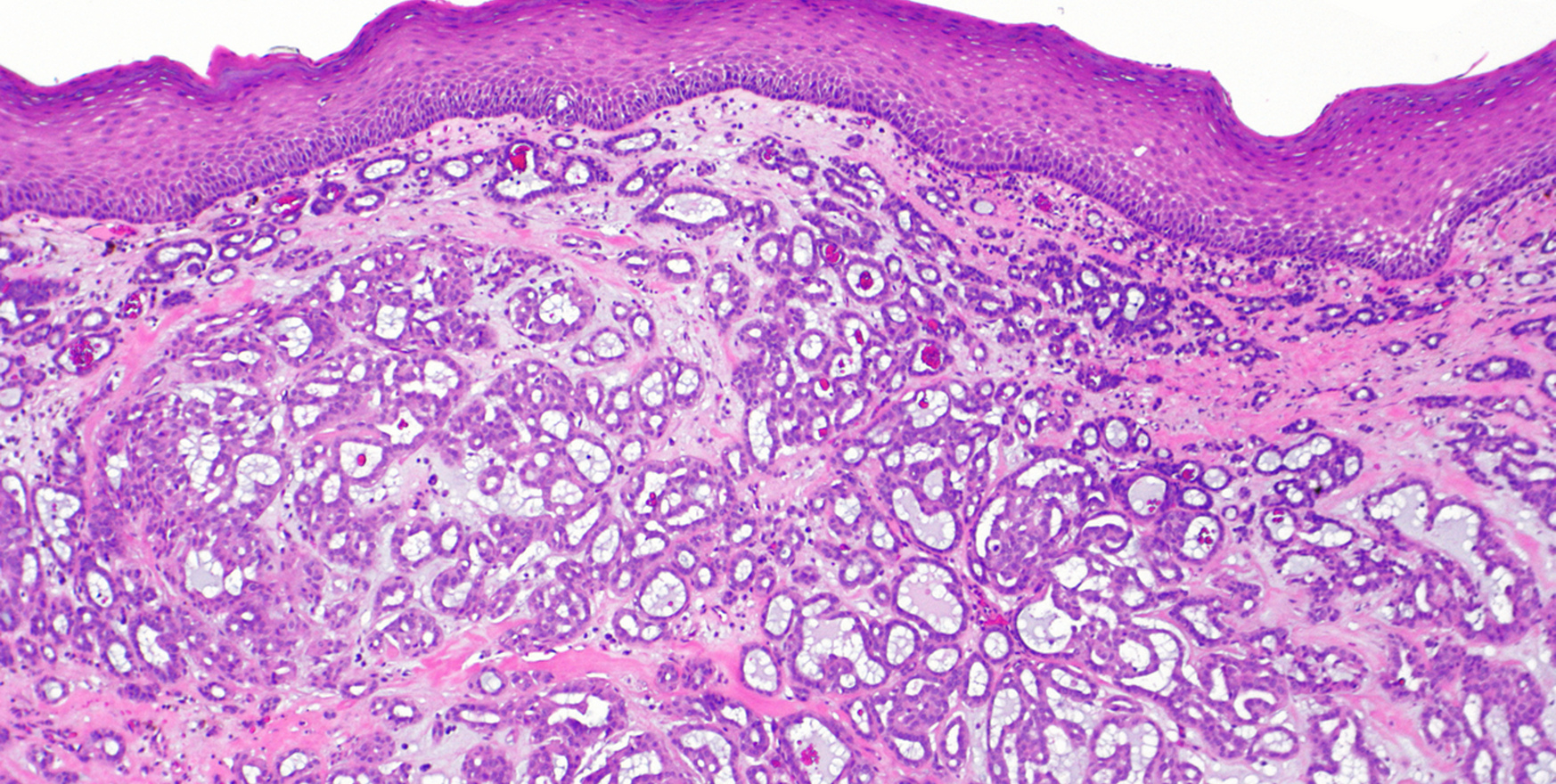
Лейкоплакия — это хроническое заболевание, характеризующееся образованием беловатых пятен (бляшек) на слизистой оболочке вульвы. Эти изменения связаны с гиперкератозом — избыточным разрастанием рогового слоя эпителия. Лейкоплакия считается предраковым состоянием, так как в некоторых случаях может приводить к развитию злокачественных опухолей, однако риск трансформации в рак относительно невысок. Лейкоплакия вульвы чаще встречается у женщин в возрасте 50 лет и старше, особенно в период постменопаузы.
Причины лейкоплакии
- Гормональные изменения. Лейкоплакия часто развивается у женщин в постменопаузе, когда наблюдается снижение уровня эстрогенов, что приводит к атрофии (истончению) слизистых оболочек.
- Механическое раздражение. Трение об одежду, частое использование гигиенических средств или сексуальная активность могут вызывать хроническое раздражение кожи и слизистой вульвы, что может способствовать развитию лейкоплакии.
- Инфекционные заболевания. Хронические воспалительные процессы, вызванные инфекциями (например, вирусами, бактериями или грибками), могут привести к изменению структуры эпителия.
- Иммунные нарушения. Ослабленный иммунитет или аутоиммунные заболевания также могут способствовать развитию лейкоплакии.
- Хронические воспаления. Постоянные воспалительные процессы в области половых органов (вульвит, вагинит) могут способствовать изменению слизистой оболочки.
- У некоторых женщин может быть генетическая склонность к развитию лейкоплакии вульвы.
Симптомы лейкоплакии вульвы
- Зуд и жжение. Женщины часто ощущают зуд, жжение или дискомфорт в области гениталий, особенно при трении или контакте с бельём.
- Сухость кожи. Кожа и слизистые оболочки вульвы могут стать сухими и грубыми, что увеличивает риск появления трещин.
- Болезненные ощущения при половом акте. Из-за сухости и изменённой структуры тканей половой акт может стать болезненным.
- Изменение внешнего вида кожи. Пятна могут быть белыми, серыми или даже слегка возвышаться над поверхностью кожи. В редких случаях они могут покрываться трещинами или язвочками.
Диагностика лейкоплакии
- Гинекологический осмотр. Врач визуально осматривает слизистые оболочки вульвы на наличие беловатых пятен и других изменений.
- Кольпоскопия — это метод осмотра слизистых оболочек с увеличением с помощью специального прибора — кольпоскопа. Это помогает детально рассмотреть участки изменений и выявить патологические изменения тканей.
- Биопсия. Для подтверждения диагноза и исключения онкологических изменений врач может взять образец ткани (биопсию) с поражённого участка для гистологического исследования.
- Цитологическое исследование. Врач может взять мазок для изучения клеточного состава тканей под микроскопом и выявления возможных признаков дисплазии (предраковых изменений).
Лечение лейкоплакии вульвы
Медикаментозное лечение: гормональная терапия; противовоспалительные препараты; антисептические и заживляющие средства.
Хирургическое лечение: лазерная терапия; электрокоагуляция; криодеструкция.
Коррекция образа жизни и уход за кожей
- Регулярная и бережная гигиена интимной зоны помогает предотвратить воспаление и раздражение. Необходимо избегать использования агрессивных моющих средств.
- Поддержка иммунной системы через правильное питание и отказ от вредных привычек может способствовать улучшению состояния слизистых оболочек.
- Следует носить свободное и дышащее бельё из натуральных тканей, чтобы избежать лишнего трения и раздражения.
Прогноз и профилактика
Прогноз при своевременном лечении лейкоплакии вульвы благоприятный, особенно если изменения были выявлены на ранних стадиях. Однако важно понимать, что лейкоплакия является предраковым состоянием, и регулярное наблюдение у врача обязательно для исключения возможного злокачественного перерождения.
Профилактика:
- Регулярные гинекологические осмотры и обследования.
- Поддержание нормального гормонального фона, особенно в постменопаузе.
- Соблюдение правил гигиены и использование мягких, гипоаллергенных средств для ухода за интимной зоной.
- Поддержание здорового образа жизни, включая отказ от курения и алкоголя.
Лейкоплакия вульвы — это хроническое заболевание, которое требует внимания и лечения, особенно из-за риска злокачественного перерождения тканей. Современные методы диагностики и лечения позволяют эффективно справляться с этим состоянием, улучшать качество жизни и предотвращать развитие осложнений. Важно регулярно проходить гинекологические осмотры и следовать рекомендациям врача, чтобы вовремя выявить и лечить лейкоплакию.
Q&A
Да, при своевременном и правильном лечении лейкоплакия может быть полностью устранена. Однако важно контролировать состояние слизистой оболочки и проходить регулярные осмотры.
Полностью предотвратить развитие лейкоплакии невозможно, но соблюдение гигиенических рекомендаций, поддержание гормонального баланса и здорового образа жизни могут снизить риск развития заболевания.