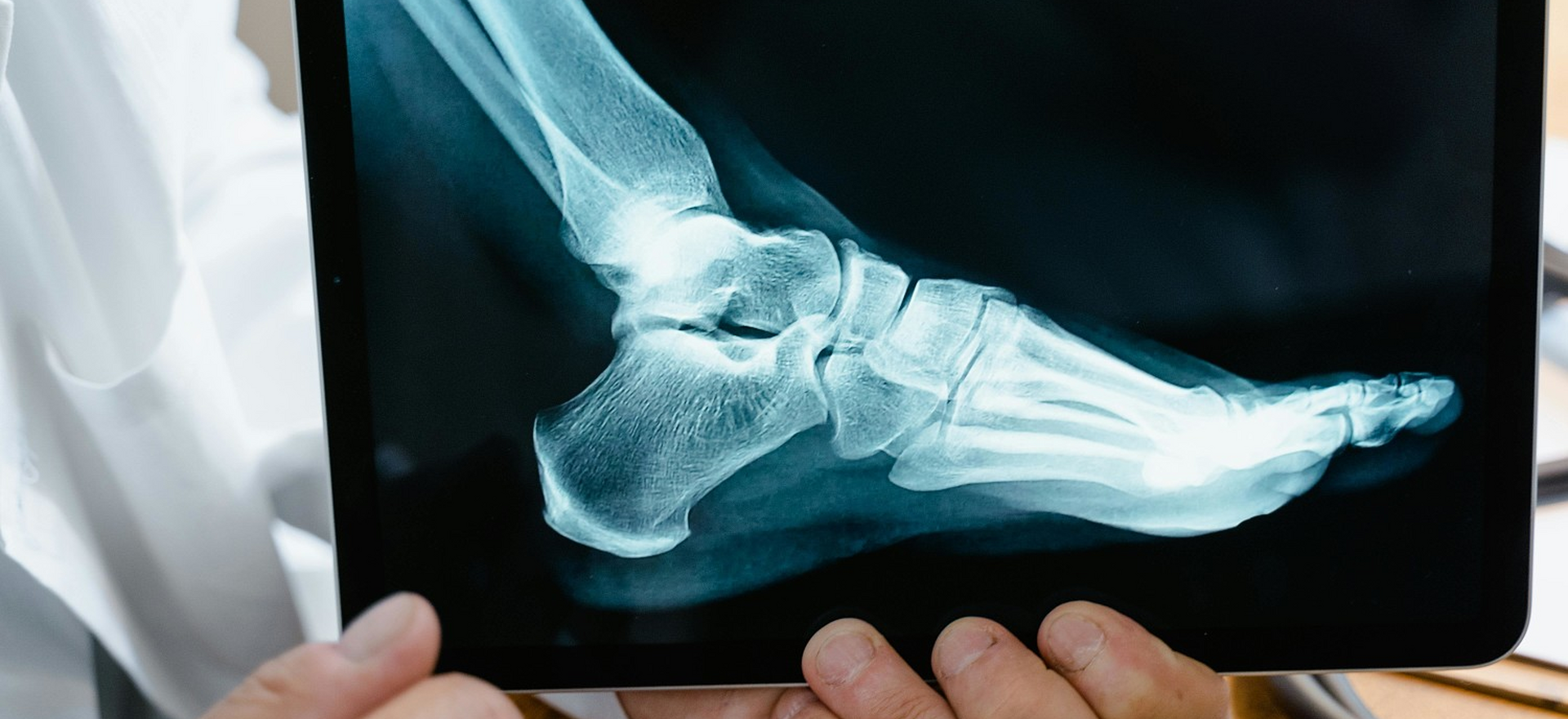
Артроэрез — это малоинвазивная ортопедическая операция, направленная на коррекцию нарушений положения стопы. В ходе вмешательства в подтаранный сустав устанавливается специальный имплантат, который ограничивает избыточную подвижность и помогает восстановить правильную ось стопы. Метод активно применяется при лечении плоско-вальгусной деформации, особенно у детей и подростков, но также может быть эффективен и для взрослых пациентов.
Показания к проведению
Артроэрез назначается в случаях, когда консервативное лечение (ортопедические стельки, гимнастика, физиотерапия) не приводит к улучшению состояния. Основные показания:
- Плоско-вальгусная деформация стоп у детей (гибкое плоскостопие);
- Боль и утомляемость при ходьбе;
- Нарушения походки, связанные с избыточной пронацией;
- Стойкая деформация стопы у взрослых при отсутствии эффекта от других методов.
Операция особенно эффективна на ранних стадиях деформации, когда изменения ещё обратимы.
Особенности процедуры
Имплантат, вводимый в синус тарзи (пространство между таранной и пяточной костью), выполняет функцию ограничителя. Он стабилизирует положение таранной кости, предотвращая её смещение внутрь. Установка проводится через небольшой разрез, без остеотомий и вмешательства в кости.
Процедура занимает около 20–30 минут и не требует длительной госпитализации. У детей имплантат обычно удаляется через 1–2 года, когда стопа стабилизируется.
Реабилитация после артроэреза
Восстановление проходит относительно быстро. Пациенту рекомендуется:
- В течение 2–3 недель ограничить нагрузку;
- Использовать ортопедическую обувь;
- Выполнять лечебную гимнастику под наблюдением врача;
- Посещать контрольные осмотры.
Полная адаптация к физиологичной походке занимает от 1 до 3 месяцев, в зависимости от возраста и индивидуальных особенностей.
Основные преимущества артроэреза в Беларуси
Белорусские клиники предлагают современные подходы к хирургической коррекции деформаций стопы. Среди основных преимуществ лечения в Беларуси:
- Использование сертифицированных европейских имплантатов;
- Высокий уровень подготовки ортопедов;
- Доступность малоинвазивной хирургии;
- Комфортные условия пребывания и последующего наблюдения;
- Оптимальное соотношение цены и качества лечения.
Артроэрез в Беларуси проводится в современных медицинских центрах, оснащённых высококачественными артроскопами и хирургическими инструментами. Специалисты применяют минимально инвазивные методики, что позволяет пациентам быстро восстанавливаться и избежать сложных операций.