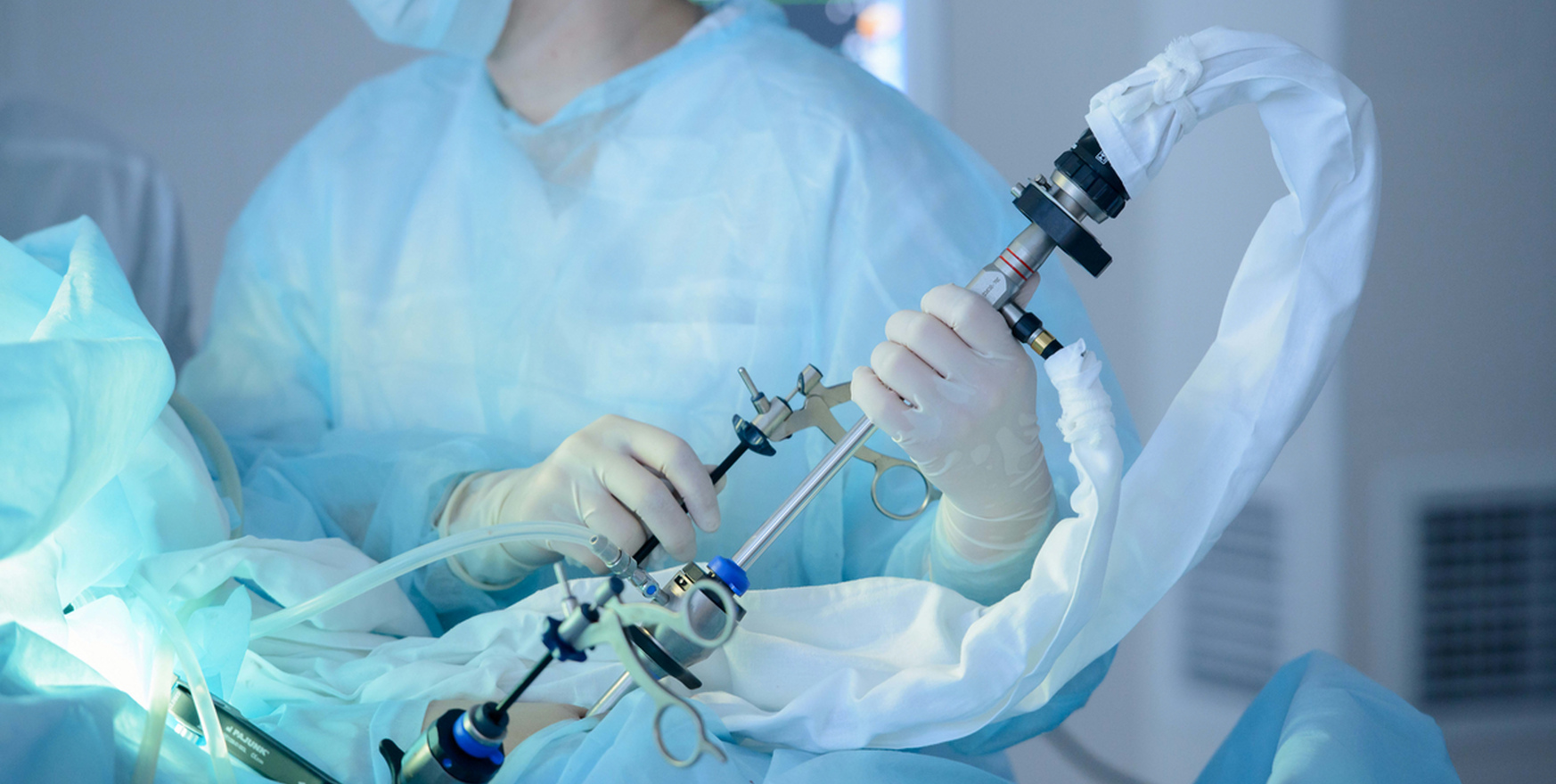
Лапароскопия — это малоинвазивная хирургическая процедура, которая проводится с использованием лапароскопа — тонкой трубки с камерой и источником света на конце. Лапароскоп вводится в брюшную полость через небольшие разрезы на животе, что позволяет врачу визуально исследовать внутренние органы и выполнять хирургические манипуляции без необходимости делать большие разрезы.
Лапароскопия используется как для диагностики, так и для лечения различных заболеваний органов брюшной полости и малого таза. Благодаря минимальной инвазивности, процедура сопровождается более быстрым восстановлением по сравнению с традиционными хирургическими методами.
Показания для лапароскопии
- Диагностические показания. Неясные боли в области таза или живота. Подозрение на эндометриоз. Диагностика бесплодия. Наличие кист яичников, миом матки или других образований в органах малого таза. Подозрение на спаечные процессы.
- Хирургические показания. Удаление миом, кист яичников, маточных труб или других новообразований. Лечение внематочной беременности. Проведение трубной стерилизации (перевязка труб) для предотвращения беременности. Лечение эндометриоза. Лечение спаек в брюшной полости.
Преимущества лапароскопии
- Минимальная инвазивность. Операция проводится через небольшие разрезы (0,5-1 см), что снижает риск инфекции и образования рубцов.
- Быстрое восстановление. Пациенты обычно восстанавливаются быстрее после лапароскопии, чем после открытых операций. Большинство пациентов выписываются из больницы через 1-2 дня после операции и могут вернуться к обычной жизни в течение 1-2 недель.
- Меньшая кровопотеря. Благодаря меньшему разрезу и минимальной травматичности тканей, лапароскопия сопровождается меньшей потерей крови.
- Меньше болей. Пациенты испытывают меньшие болевые ощущения после операции, чем при традиционных операциях.
- Лучший эстетический результат. Небольшие разрезы приводят к минимальным рубцам, что особенно важно для пациентов, заботящихся о косметических результатах.
Как проводится лапароскопия?
- Подготовка к операции. Пациенту вводится общая анестезия, чтобы обеспечить полное обезболивание и комфорт во время операции.
- Введение лапароскопа. Врач делает несколько небольших разрезов в области живота (обычно один возле пупка и два-три дополнительных внизу живота). Через разрезы вводится лапароскоп и специальные хирургические инструменты.
- Брюшная полость наполняется углекислым газом для улучшения визуализации внутренних органов и создания пространства для работы хирурга.
- В зависимости от показаний врач проводит необходимые манипуляции — удаление новообразований, лечение эндометриоза, удаление маточных труб, разрезание спаек и т.д.
- Завершение операции. После завершения манипуляций лапароскоп и инструменты извлекаются, газ удаляется из брюшной полости, а разрезы ушиваются.
- Пациент постепенно выходит из наркоза в послеоперационной палате под наблюдением медицинского персонала.
В большинстве случаев лапароскопия сопровождается быстрым восстановлением, и пациенты могут вернуться к нормальной жизни в течение 1-2 недель. После операции возможно лёгкое недомогание или дискомфорт в области разрезов, но эти симптомы обычно проходят через несколько дней.
Лапароскопия — это современный и эффективный метод диагностики и лечения различных заболеваний брюшной полости и органов малого таза. Благодаря минимальной инвазивности, пациенты быстрее восстанавливаются и испытывают меньше боли по сравнению с традиционной хирургией. Эта процедура стала золотым стандартом во многих областях медицины благодаря своей точности, безопасности и быстрому периоду восстановления.