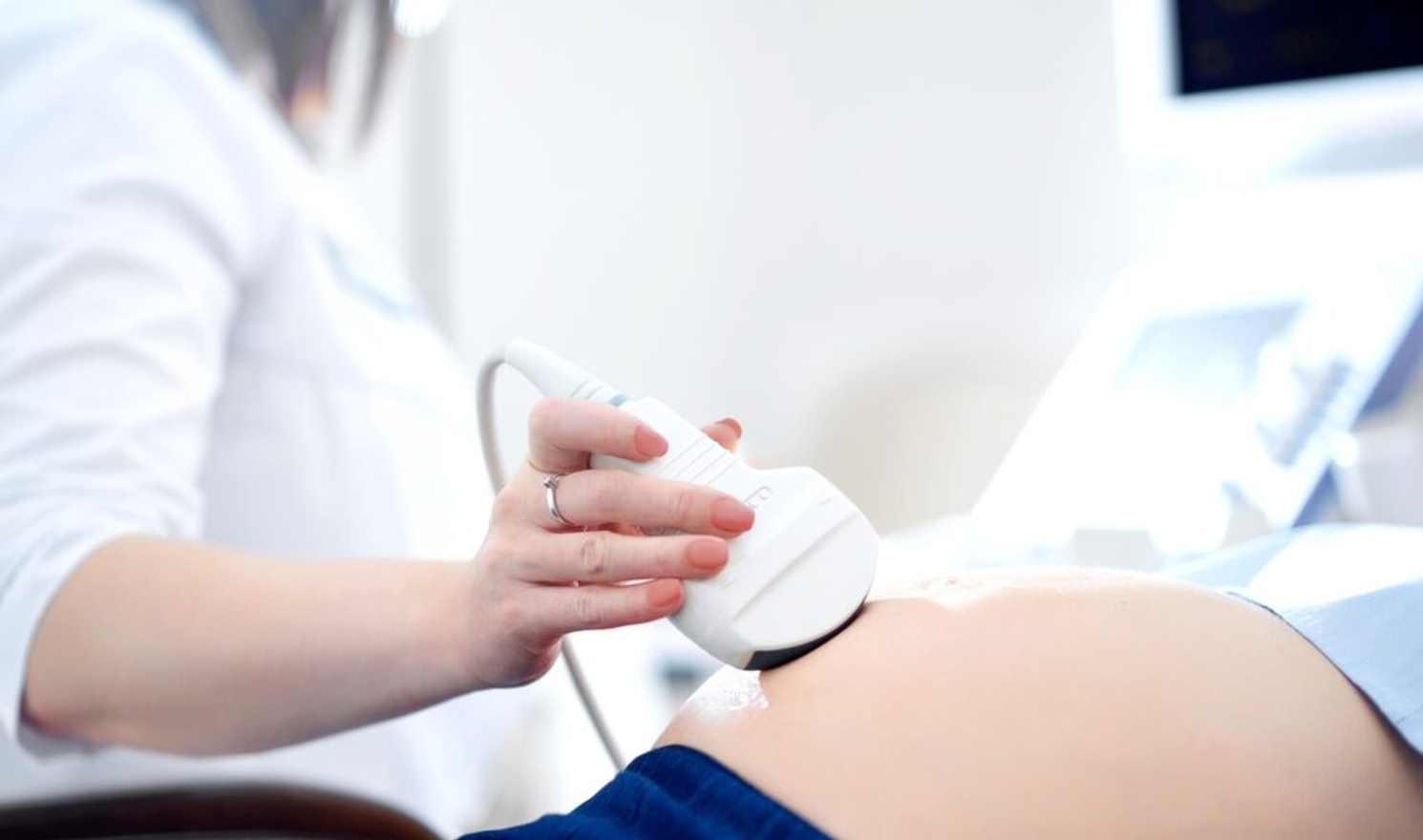
Допплерометрия — это диагностическая методика, используемая для оценки кровообращения в сосудах плода, матки и пуповины во время беременности. Она основана на использовании ультразвуковых волн, которые отражаются от движущихся кровяных клеток, что позволяет врачу измерить скорость и объём кровотока. Допплерометрия помогает выявить возможные проблемы с кровоснабжением плода, которые могут повлиять на его развитие и здоровье.
В Беларуси допплерометрия является важной частью мониторинга беременности, особенно у женщин с риском осложнений, таких как гипоксия плода, резус-конфликт, многоплодная беременность, а также при подозрении на внутриутробную задержку роста плода.
Когда назначается допплерометрия?
Допплерометрия проводится в рамках комплексного ультразвукового обследования во время беременности. В Беларуси допплерометрию назначают при следующих показаниях:
- Плановое обследование. Обычно допплерометрия входит в стандартный план обследования беременных на сроке 30-34 недели, чтобы убедиться, что плод получает достаточное количество кислорода и питательных веществ. В некоторых случаях, если есть показания, допплерометрия может быть назначена и на более ранних сроках (например, с 20 недели).
- Подозрение на нарушение кровотока. Если у женщины выявлены риски гипоксии плода, внутриутробного отставания в росте (задержка развития плода), многоплодная беременность, гипертоническая болезнь или сахарный диабет, допплерометрия помогает определить состояние кровоснабжения плода и плаценты.
- Резус-конфликт и другие осложнения беременности. Допплерометрия используется для мониторинга состояния плода при наличии резус-конфликта или других ситуаций, которые могут привести к ухудшению кровообращения у плода.
- Повышенное или пониженное артериальное давление у матери. Проблемы с артериальным давлением могут привести к осложнениям, связанным с нарушением кровообращения в плаценте.
Как проходит процедура допплерометрии?
Процедура допплерометрии в Беларуси проводится в тех же условиях, что и стандартное ультразвуковое исследование. Процедура занимает около 20-30 минут. Она безболезненна и безопасна как для матери, так и для плода.
Допплерометрия в Беларуси — это важная и информативная процедура, которая помогает врачам контролировать состояние плода и плаценты во время беременности.