Нефросцинтиграфия – это радионуклидный метод исследования почек, позволяющий оценить их функцию, кровоснабжение и выявить структурные аномалии. Исследование проводится с использованием радиоизотопных препаратов, которые вводятся внутривенно и позволяют получить детальное изображение почек.
Когда требуется нефросцинтиграфия?
При подозрении на хроническую болезнь почек, пиелонефрит, гидронефроз, опухоли. В случаях диагностики мочекаменной болезни, врождённых аномалий развития почек. Для оценки функции каждой почки перед операцией, после трансплантации, при гипертонии, связанной с патологиями почек. При подозрении на стеноз почечных артерий, нарушение оттока мочи.
Виды нефросцинтиграфии
- Динамическая нефросцинтиграфия – позволяет оценить фильтрационную функцию почек в реальном времени.
- Статическая нефросцинтиграфия – визуализирует анатомическую структуру почек и выявляет повреждённые участки.
Как проходит исследование?
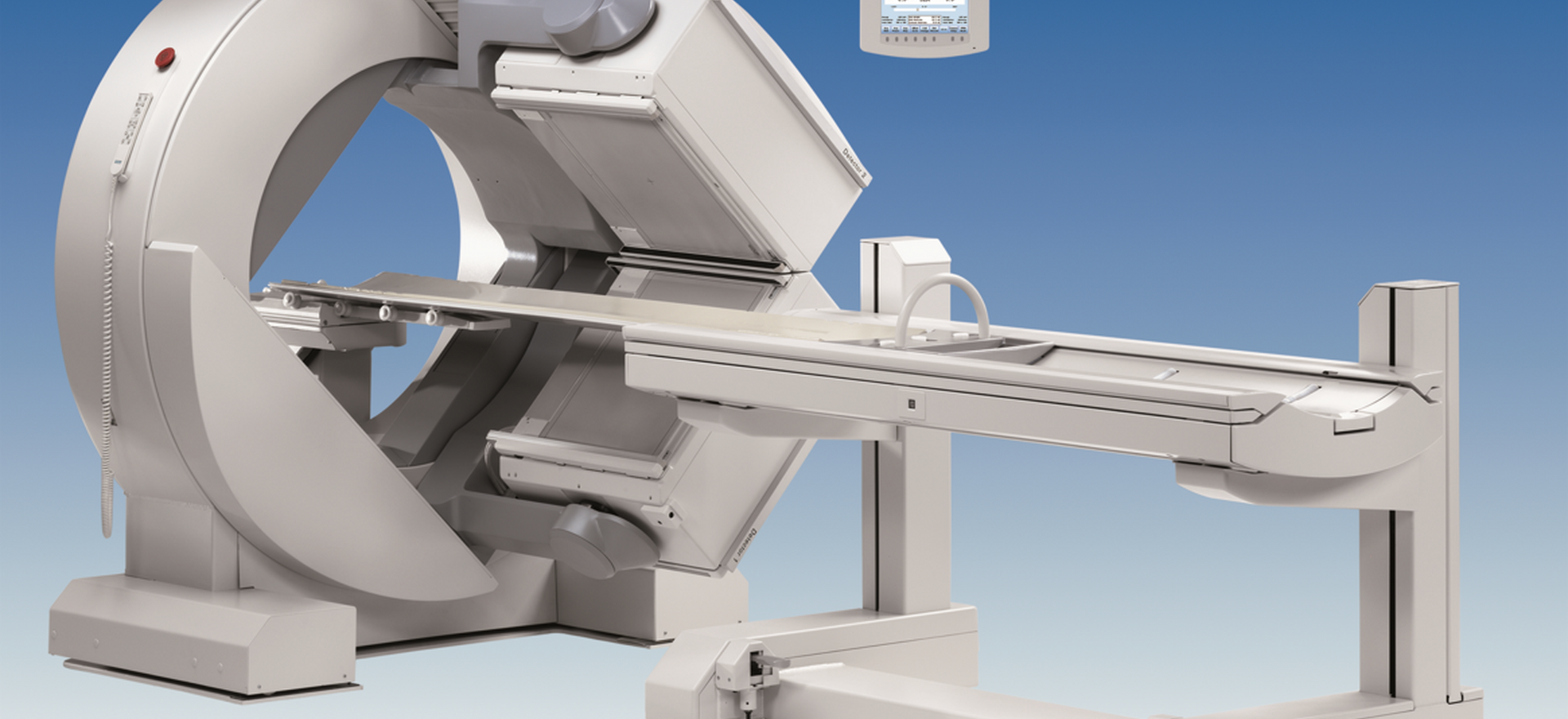
Пациенту внутривенно вводится радиофармацевтический препарат, после чего выполняется сканирование почек гамма-камерой. Динамическое исследование длится 30–60 минут, статическое – около 30 минут. Процедура безопасна, доза радиации минимальна.
Основные преимущества нефросцинтиграфии в Беларуси
Точность в оценке функции каждой почки, выявление скрытых патологий. Безболезненность, минимальная лучевая нагрузка. Возможность диагностики на ранних стадиях, когда другие методы менее информативны.
Белорусские медицинские центры оснащены современными гамма-камерами, позволяющими провести точную диагностику почек. Опытные специалисты обеспечивают безопасное и информативное обследование.