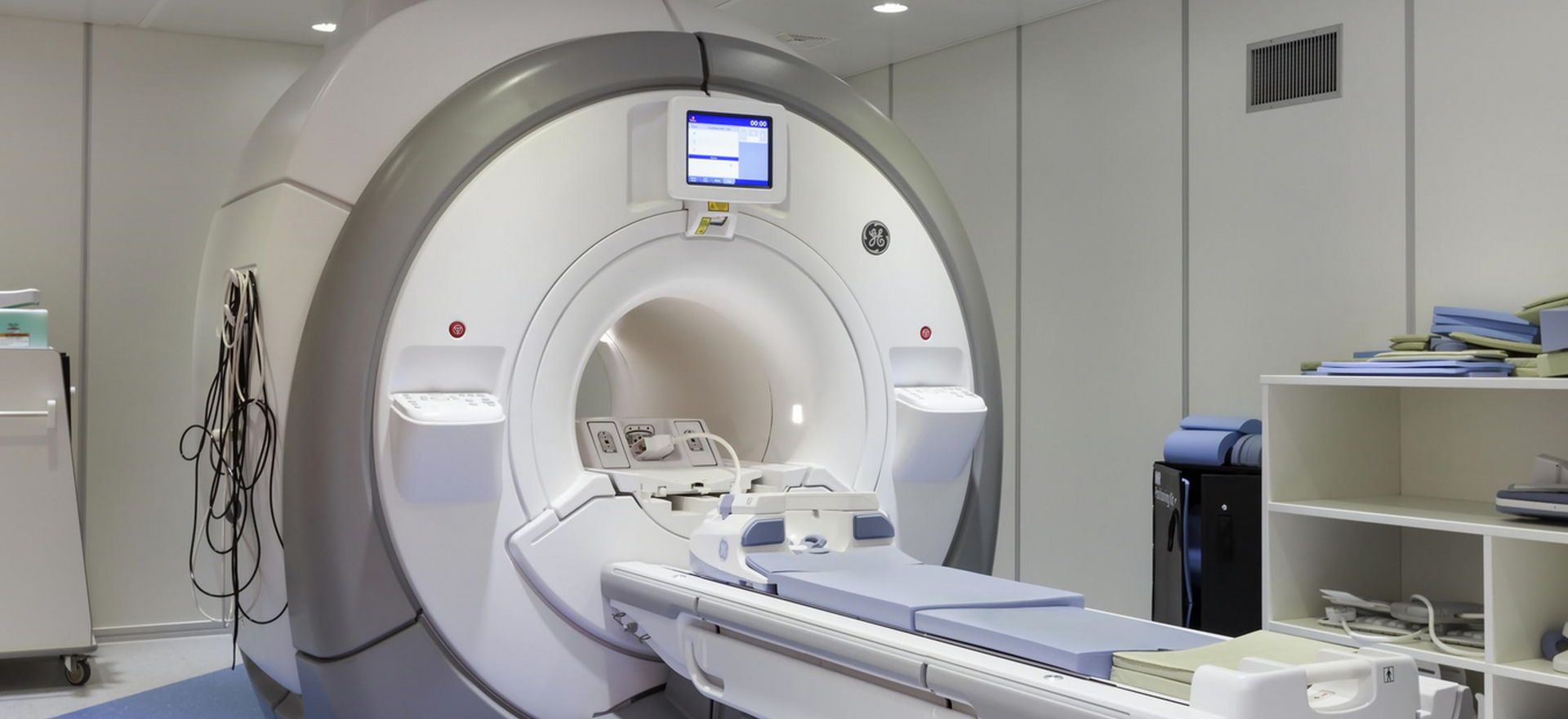
МРТ сосудов головного мозга и шеи – это высокоточный и неинвазивный метод диагностики, позволяющий детально визуализировать артерии и вены, выявлять аневризмы, тромбозы, стенозы и другие сосудистые патологии без использования рентгеновского излучения.
Когда требуется МРТ сосудов головного мозга и шеи?
При головных болях, головокружении, обмороках, ухудшении памяти. В случаях нарушения мозгового кровообращения, подозрения на инсульт, транзиторные ишемические атаки. Для диагностики аневризм, сосудистых мальформаций, тромбозов, стенозов. При повышенном риске развития атеросклероза, варикозного расширения вен, тромбофлебитов.
Как проходит исследование?
Пациент размещается в магнитно-резонансном томографе, где выполняется сканирование сосудов головного мозга и шеи. В ряде случаев применяется контрастное вещество для улучшенной визуализации сосудистых структур. Процедура длится 30–40 минут, безболезненна, не требует лучевой нагрузки.
Основные преимущества МРТ сосудов головного мозга и шеи в Беларуси
Высокая точность диагностики сосудистых патологий, отсутствие необходимости в инвазивном вмешательстве. Безопасность – отсутствие рентгеновского облучения. Возможность выявления инсультов, аневризм, тромбозов и других нарушений на ранних стадиях.
Белорусские медицинские центры оснащены современными МРТ-аппаратами, обеспечивающими детальную диагностику сосудистых патологий. Опытные специалисты проводят обследование с точной интерпретацией результатов.