Кардиореспираторный мониторинг – это метод длительного контроля работы сердца и дыхательной системы, позволяющий выявить нарушения ритма, дыхания во сне, эпизоды гипоксии и сердечно-сосудистые патологии.
Когда требуется кардиореспираторный мониторинг?
При жалобах на перебои в работе сердца, одышку, ночные пробуждения, усталость, храп. В случаях диагностики апноэ сна, аритмии, ишемической болезни сердца, гипертонии. Для контроля пациентов с сердечной недостаточностью, после инфаркта, инсульта. При подозрении на синдром обструктивного апноэ сна, нарушениях газообмена, хронических заболеваниях лёгких.
Как проходит исследование?
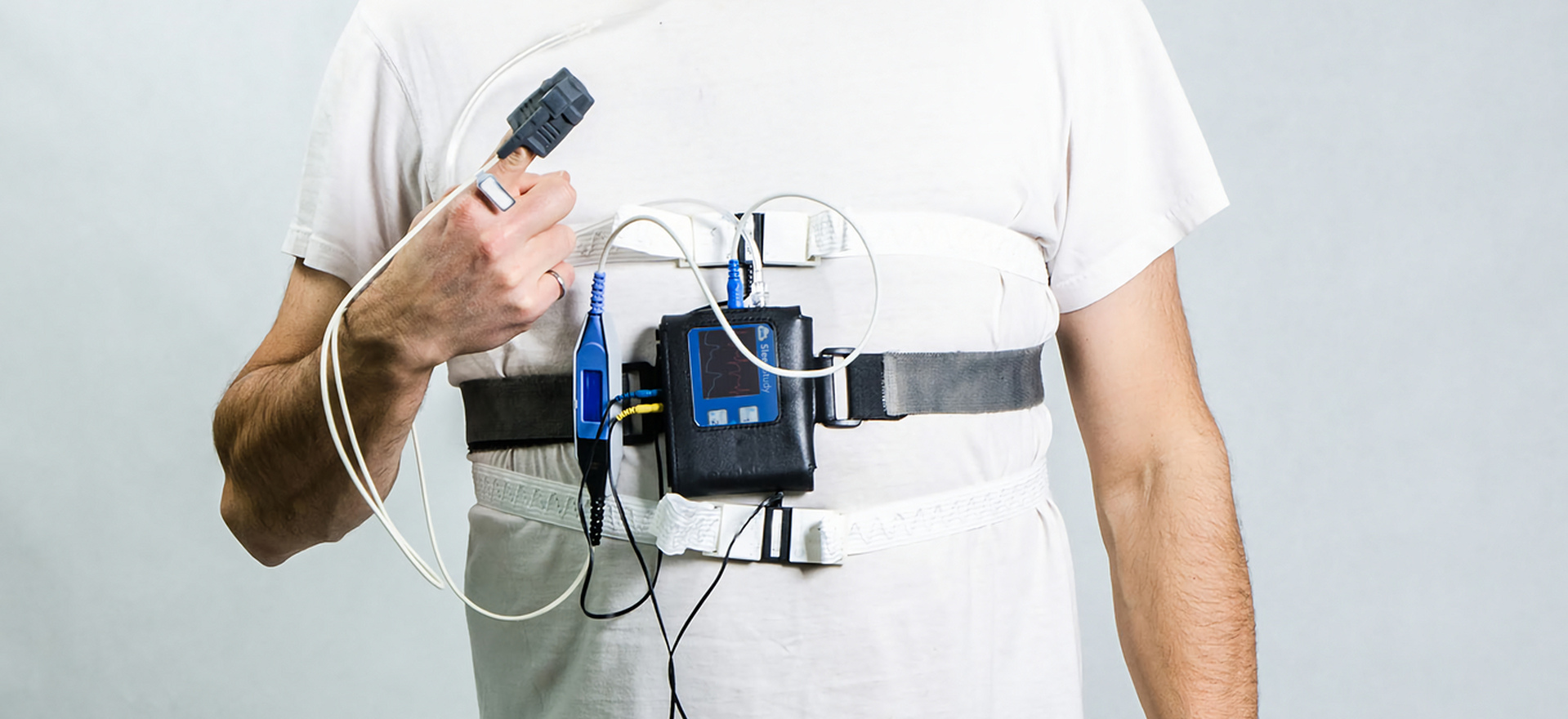
На пациента устанавливаются датчики для регистрации ЭКГ, дыхания, уровня кислорода в крови, артериального давления. Мониторинг проводится в течение нескольких часов или суток, во время сна или обычной активности. Данные фиксируются в портативном устройстве и затем анализируются врачом.
Основные преимущества кардиореспираторного мониторинга в Беларуси
Высокая точность диагностики сердечно-сосудистых и дыхательных нарушений. Возможность длительного наблюдения за работой сердца и лёгких. Безопасность, неинвазивность, удобство амбулаторного использования.
Белорусские медицинские центры оснащены современными системами для непрерывного мониторинга работы сердца и дыхания. Опытные специалисты обеспечивают точную диагностику и индивидуальные рекомендации по лечению.