Spondylolisthesis is a pathological condition in which one vertebra shifts forward or backward relative to the adjacent vertebra. The disease may cause pain, limit mobility, and lead to compression of nerve roots or the spinal cord. Treatment is aimed at relieving symptoms, stabilizing the spine, and preventing further progression.
Main treatment approaches
- Conservative treatment. Pain relief and reduction of inflammation. Strengthening of the muscular support system.
- Physiotherapy and therapeutic exercise (Physical Therapy, PT). Restoration of spinal mobility and prevention of recurrence.
- Orthopedic support. Use of braces and corsets.
- Surgical treatment. Indicated in severe forms or progressive vertebral displacement.
Conservative treatment
Pharmacological therapy:
- Nonsteroidal anti-inflammatory drugs (NSAIDs).
- Analgesics.
- Muscle relaxants.
- Corticosteroids.
- Medications to improve blood circulation.
Physiotherapy and therapeutic exercise (Physical Therapy)
Physiotherapy:
- Electrophoresis with analgesics. Reduces pain and relaxes muscles.
- Laser therapy. Accelerates tissue regeneration.
- Ultrasound therapy. Relaxes muscles and relieves tension.
Therapeutic exercise (Physical Therapy):
The main conservative treatment method aimed at strengthening the muscles that support the spine.
Important! Exercises must be performed under the supervision of a specialist to avoid worsening vertebral displacement.
Orthopedic support
- The use of braces or orthoses helps stabilize the spine by reducing the load on the affected segment.
- The brace is usually worn no more than 4–6 hours per day to prevent muscle weakening.
Surgical treatment
Indications:
- Progressive vertebral displacement (Grade III–IV spondylolisthesis).
- Severe pain syndrome refractory to conservative therapy.
- Impairment of internal organ function due to nerve root compression.
- Neurological symptoms: limb weakness, sensory disturbances.
Main surgical methods:
- Spinal fusion (spondylodesis). Stabilization of vertebrae using metal instrumentation to prevent further displacement.
- Decompression. Removal of structures compressing nerve roots (part of the vertebra, intervertebral disc, or osteophytes).
- Intervertebral disc replacement. Substitution of the damaged disc with an artificial implant.
- Minimally invasive procedures. Used for correction of displacement at early stages.
Rehabilitation
Main stages:
- Physical activity. Gradual restoration of mobility. Physical therapy exercises to strengthen back muscles.
- Physiotherapy. Accelerates tissue regeneration and reduces residual inflammation.
- Massage. Relaxes muscles and relieves spasms.
- Body weight control. Reduction of spinal load.
Prevention of spondylolisthesis
- Strengthening of the muscular support system. Regular physical exercises, especially for the back and abdominal muscles.
- Body weight control. Reduction of excessive spinal load.
- Proper posture. Workplace ergonomics and use of orthopedic chairs.
- Avoidance of overload. Limitation of heavy lifting.
- Timely treatment of spinal disorders. Including osteochondrosis, scoliosis, and other pathologies.
Treatment of spondylolisthesis requires a comprehensive approach that includes pharmacological therapy, physiotherapy, therapeutic exercise, and, when necessary, surgical intervention. Timely consultation with a physician and strict adherence to medical recommendations help prevent disease progression and maintain quality of life.
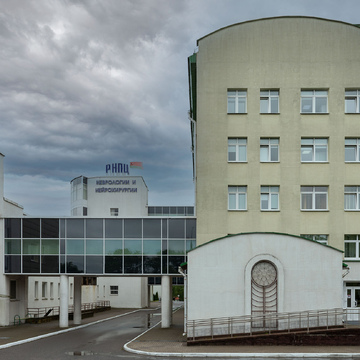
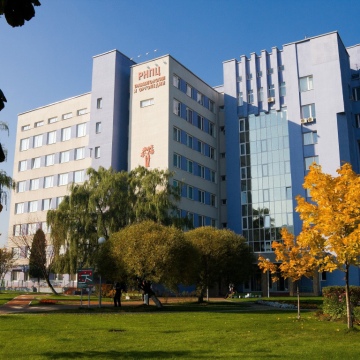
In Belarus, spondylolisthesis treatment is provided in leading medical centers equipped with modern diagnostic and surgical technologies. Experienced neurologists and orthopedic specialists develop individualized treatment programs for each patient. Both conservative and surgical methods are used, followed by structured rehabilitation. High-quality medical care combined with affordable costs makes Belarus an attractive destination for patients from different countries.